



FA considers major VAR changes, Bruno Fernandes' time has come



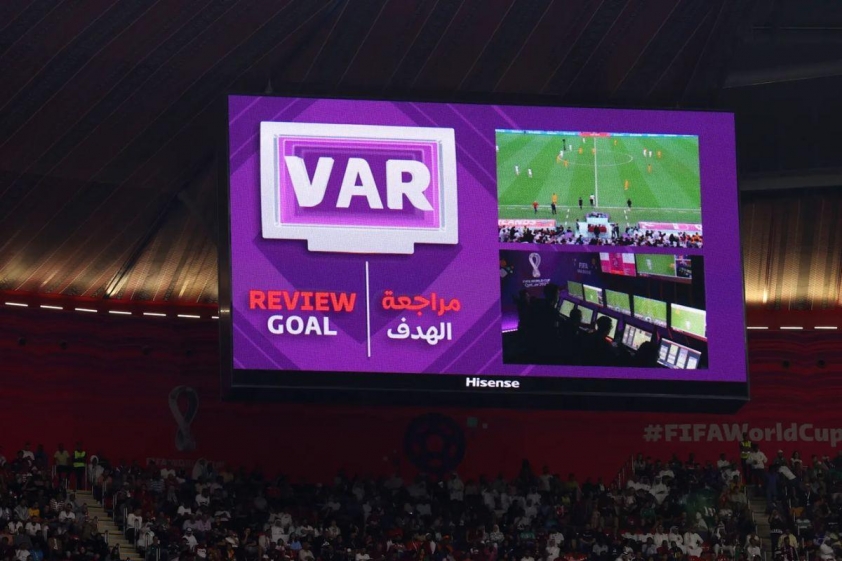
English football leaders are considering trialing a "cricket-style" VAR system to reduce overly long stoppages in the Premier League that have left fans dissatisfied.
According to The Sun, the Football Association (FA) wants to implement a mechanism allowing managers to request the referee's review of subjective incidents such as penalties, goals, or red cards. Leaders at Wembley believe that granting managers this "challenge" right could help reduce unnecessary VAR interventions and shorten match disruption time.
This idea emerges as the International Football Association Board (IFAB) has initiated a formal two-year process to evaluate and adjust VAR operations. If approved, a league in England could be selected to trial the new model.
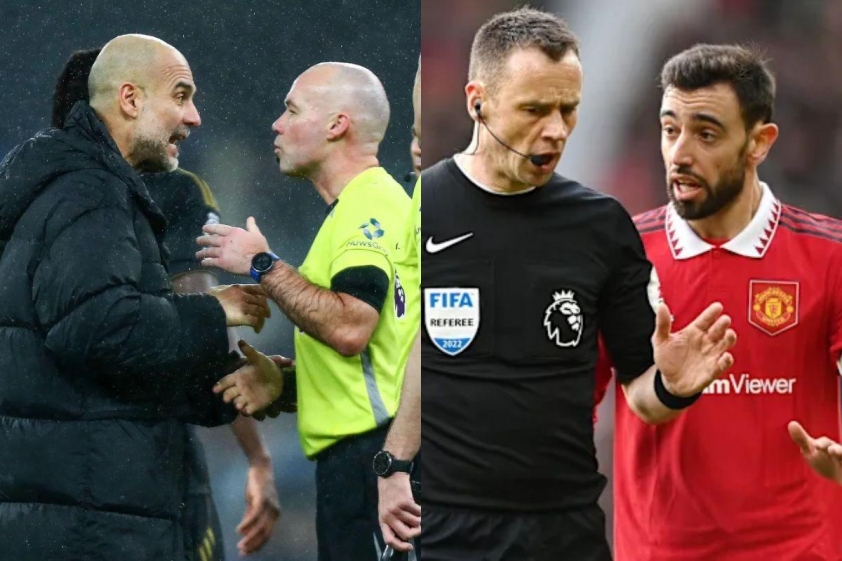
Currently, FIFA and IFAB have implemented the "Football Video Support" system in some leagues with limited technical facilities. There, each manager is allowed one unsuccessful challenge per half. When requesting a review, the manager will raise a green card to ask the referee to check the pitchside monitor.
However, IFAB believes that in major leagues like the Premier League, which have modern multi-camera VAR systems, a "challenge" mechanism is unnecessary because all key incidents (goals, red cards, penalties) are automatically reviewed.
Nevertheless, another viewpoint suggests that objective decisions like semi-automated offside or foul location can maintain the current process. Meanwhile, for subjective incidents, allowing managers to actively request a review would help reduce waiting time and limit continuous match interruptions.
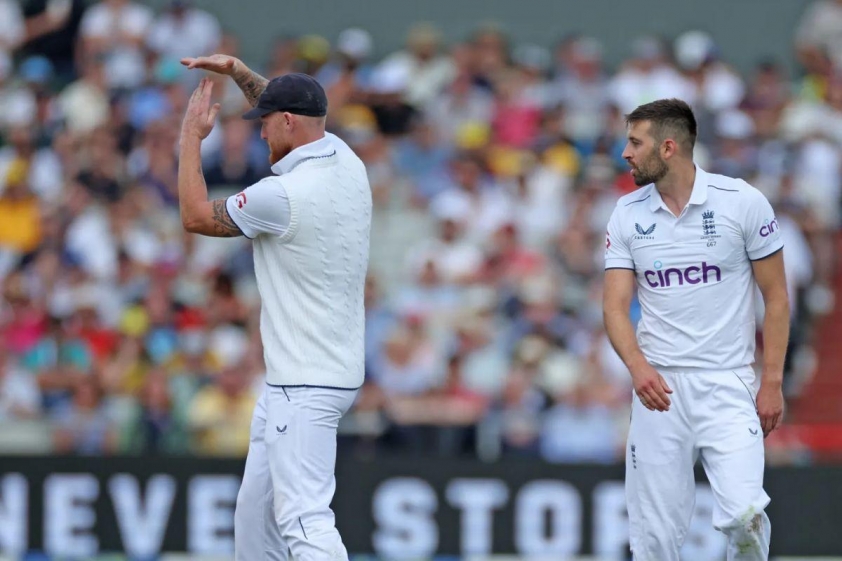
The risk for managers is that a baseless challenge could cost them their right to request in that half, meaning they cannot intervene when a genuine serious error occurs.
A similar model has been used in cricket with the DRS system since 2008. Rugby Super League has a "captain's challenge," and the American NFL also uses a similar mechanism. Speaking after the IFAB annual general meeting in Cardiff, FA CEO Mark Bullingham stated:
"There are three VAR-related issues we are focused on. First is maintaining a high threshold for intervention. Second is an ongoing review to find the balance between accurate decision-making and not slowing down the game.
And the third, always the most important, is innovation. Looking at the semi-automated offside technology FIFA uses, it's a fantastic step forward. Its speed and accuracy significantly reduce fan frustration.
Another interesting direction is learning from trial models where the referee manages the game but managers have the right to challenge. Could we partially adopt such a mechanism in the future? This would change the operational approach and reduce the number of VAR interventions."
If approved, England's top women's football league (WSL), where many teams currently play in stadiums with existing Premier League camera systems, could become the ideal testing ground. The FA emphasizes the ultimate goal is to ensure VAR supports football rather than disrupts and affects the match's emotional flow.


Wonderfulshortvideo
Kvaratskhelia and Ronaldo 🫶


🇪🇸 Spain 🆚 Argentina 🇦🇷
When Diogo Costa saved EVERY penalty he faced in the shoot-out 🤯🤯🤯
The movement is electric ⚡️
Never gives up 💪
Things you really love to see
Ahead of his 100th cap, Sir Keir Starmer had this message for Maro Itoje…
 Links
Links
 Contact
Address:123
Number:+123
E-mali:i123@gmail.com
 App
App